Polyurethane-cement hybrid systems engineered for extreme thermal cycling. From boiling water to freezer temperatures — without cracking. The industry standard for food and beverage processing.
Where PU-Cement Performs
PU-cement is the only flooring system specifically designed for the demands of food processing environments where thermal shock, aggressive cleaning, and hygiene requirements converge.
Food & Beverage Processing
Breweries, dairies, meat processing. Hot wash-downs, caustic cleaning, steam exposure. The industry standard.
Commercial Kitchens
Hot oil spills, boiling water, constant cleaning. Texture is selected for wet environments and cleaning method.
Pharmaceutical
Clean-in-place compatible. Withstands aggressive sanitization protocols.
Bakeries & Laundries
Hot oven interfaces, steam exposure, constant moisture, detergent resistance.
Built for Abuse
PU-cement systems are thick-build mortars that require proper drainage design and substrate preparation for optimal performance.
- Falls to drain — Minimum 1:80 fall required. We install screeds to create proper drainage
- Shot blasting — Aggressive profile (CSP 5-7) for mechanical bond to substrate
- Coved skirting — Integral cove at wall junctions eliminates corner joints
- Channel drains — Stainless steel drainage integrated into floor system
- Moisture tolerance — PU-cement is moisture-tolerant but excess water should be addressed
System Architecture
PU-cement systems combine the strength of cement with the flexibility and chemical resistance of polyurethane.
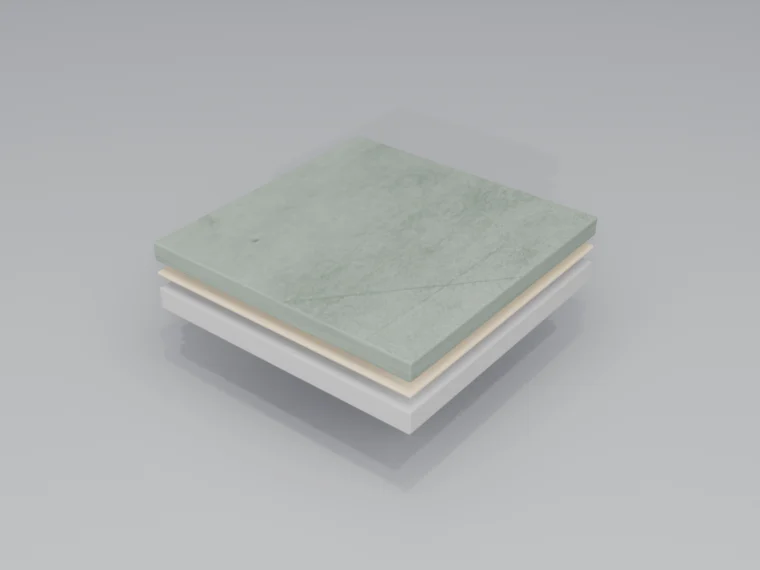
Bonding System
Epoxy or polyurethane primer creates chemical bond to prepared concrete. Critical for adhesion under thermal stress.
PU-Cement Mortar
Polyurethane-bound cementitious mortar troweled to specified thickness. Contains special aggregates for thermal stability and wear resistance.
Seal Coat
Polyurethane topcoat seals surface, provides chemical resistance, and determines slip texture level.
Texture Options
Slip resistance is critical in wet food processing environments. We offer the full range of textures:
Smooth (R10)
Easy to clean, moderate slip resistance. Dry processing areas.
Medium (R11)
Balanced cleanability and grip. Most food processing applications.
Coarse (R12)
Higher slip resistance for wet/oily areas. Slightly more effort to clean.
Heavy Duty (R13)
Maximum grip for extreme wet conditions. Industrial drainage areas.
Key Advantages
- Thermal Shock Resistance — Built for hot wash-downs, cold rooms and temperature cycling when the correct thickness is specified.
- Steam & Hot Water — Designed for daily steam cleaning and hot wash-downs. Industry standard for food processing.
- Chemical Resistance — Resists many organic acids, caustics and cleaning chemicals when matched to the exposure list.
- Texture Options — Grip is matched to water, grease, drainage and cleaning requirements.
- Impact Resistant — High-build mortar absorbs impact. Dropped equipment, pallet trucks, heavy loads.
- Cleanable Design — Seamless field with coved skirting and drainage detailing where specified.
Good fit
Commercial kitchens, wet processing, dairies, breweries, cold-room transitions and areas with hot wash-downs.
Not the first choice
High-gloss showrooms, very thin overlays, decorative interiors or areas where the substrate cannot take mechanical preparation.
Inspect first
Drainage slopes, coves, existing coating removal, thermal cycles, cleaning chemicals, texture level and production shutdown plan.
Maintenance Protocol
PU-cement is specifically designed for aggressive cleaning regimes. The system gets better with regular cleaning.
Production Shift End
Hot water wash-down, detergent scrub, rinse. Floor designed for this daily cycle.
Weekly
Deep clean with appropriate chemicals. Caustic or acid as required by product.
Quarterly
Inspection of drains, coves, and high-wear areas. Touch-up repairs as needed.
Annually
Full system inspection. Reseal high-traffic areas if required.


