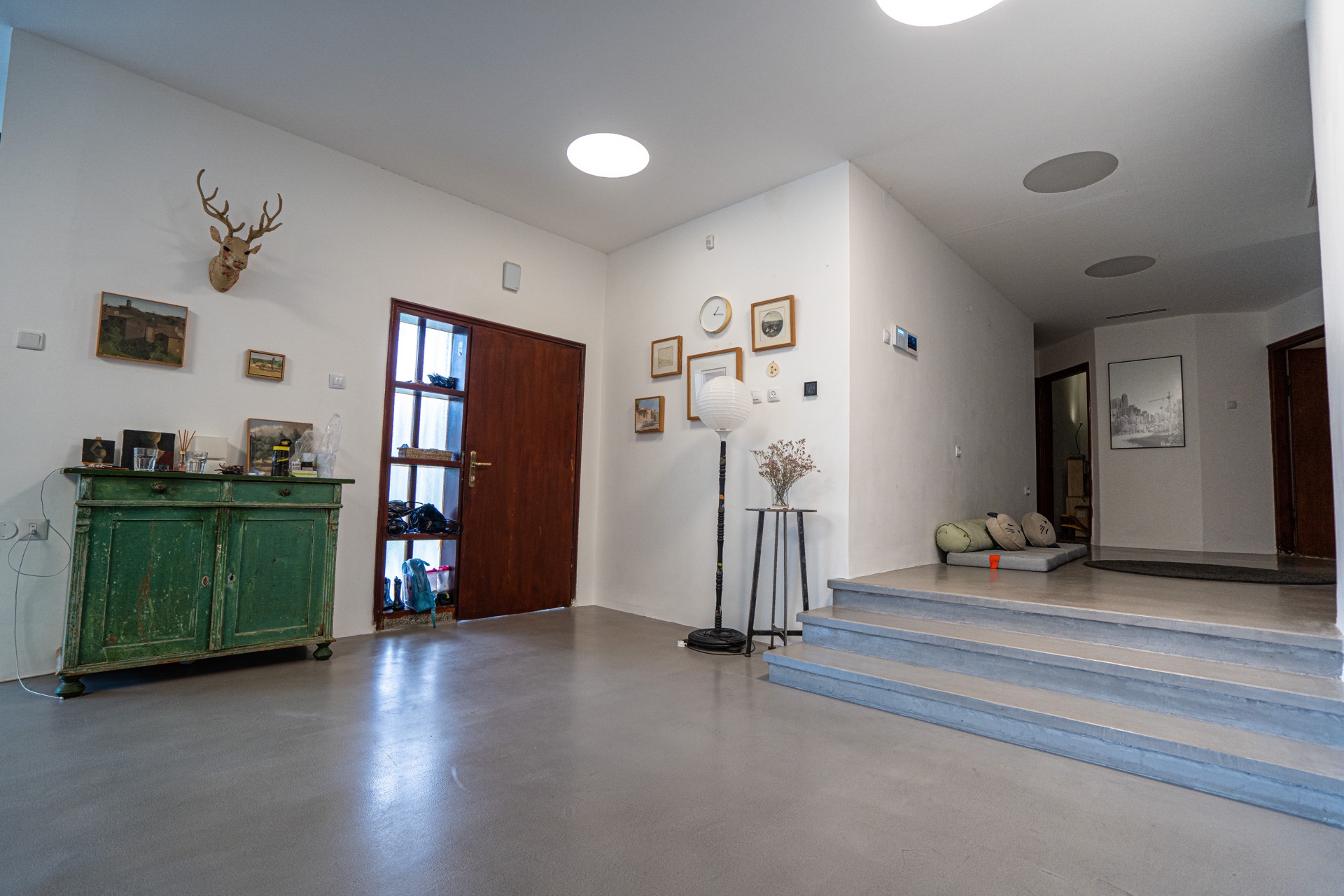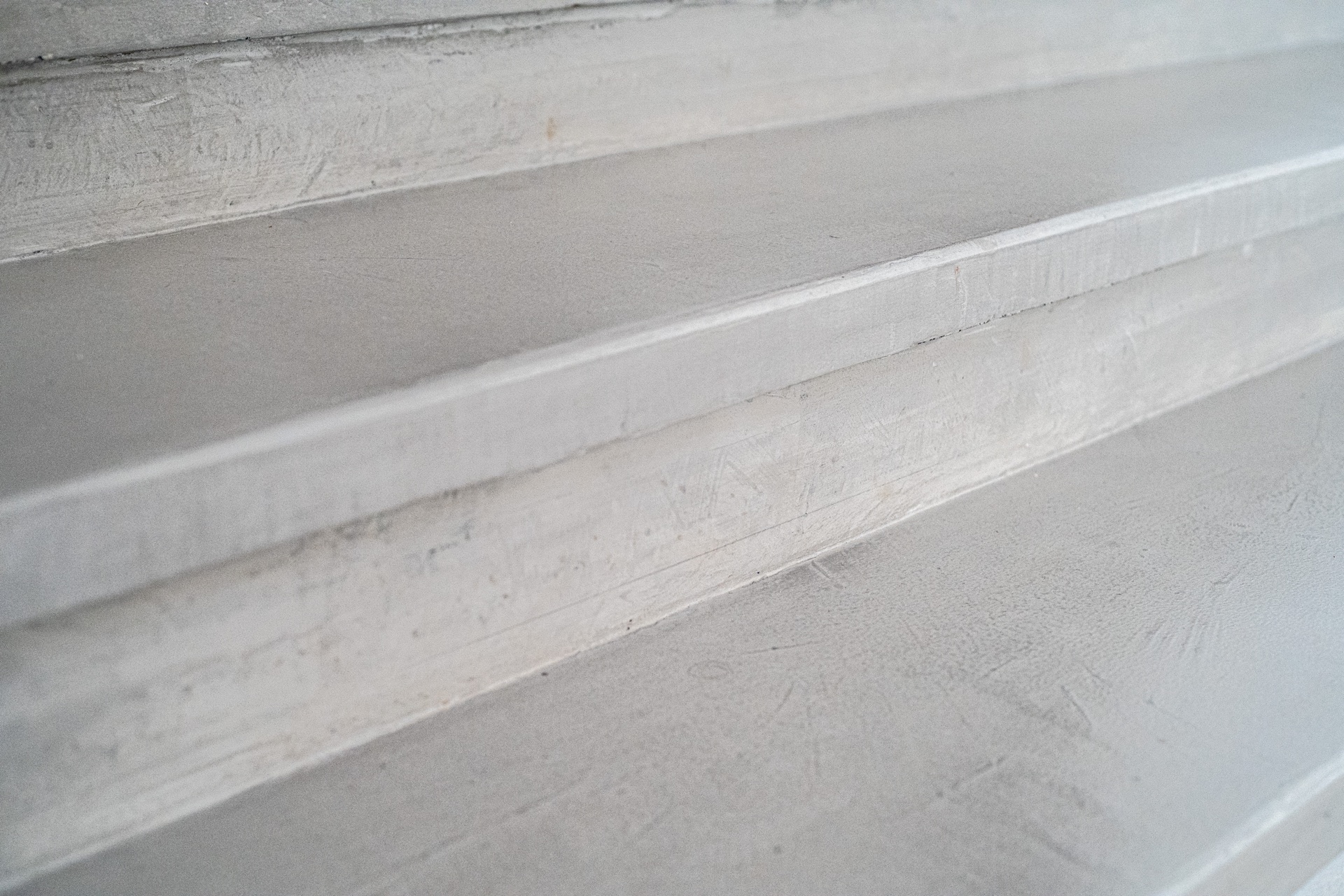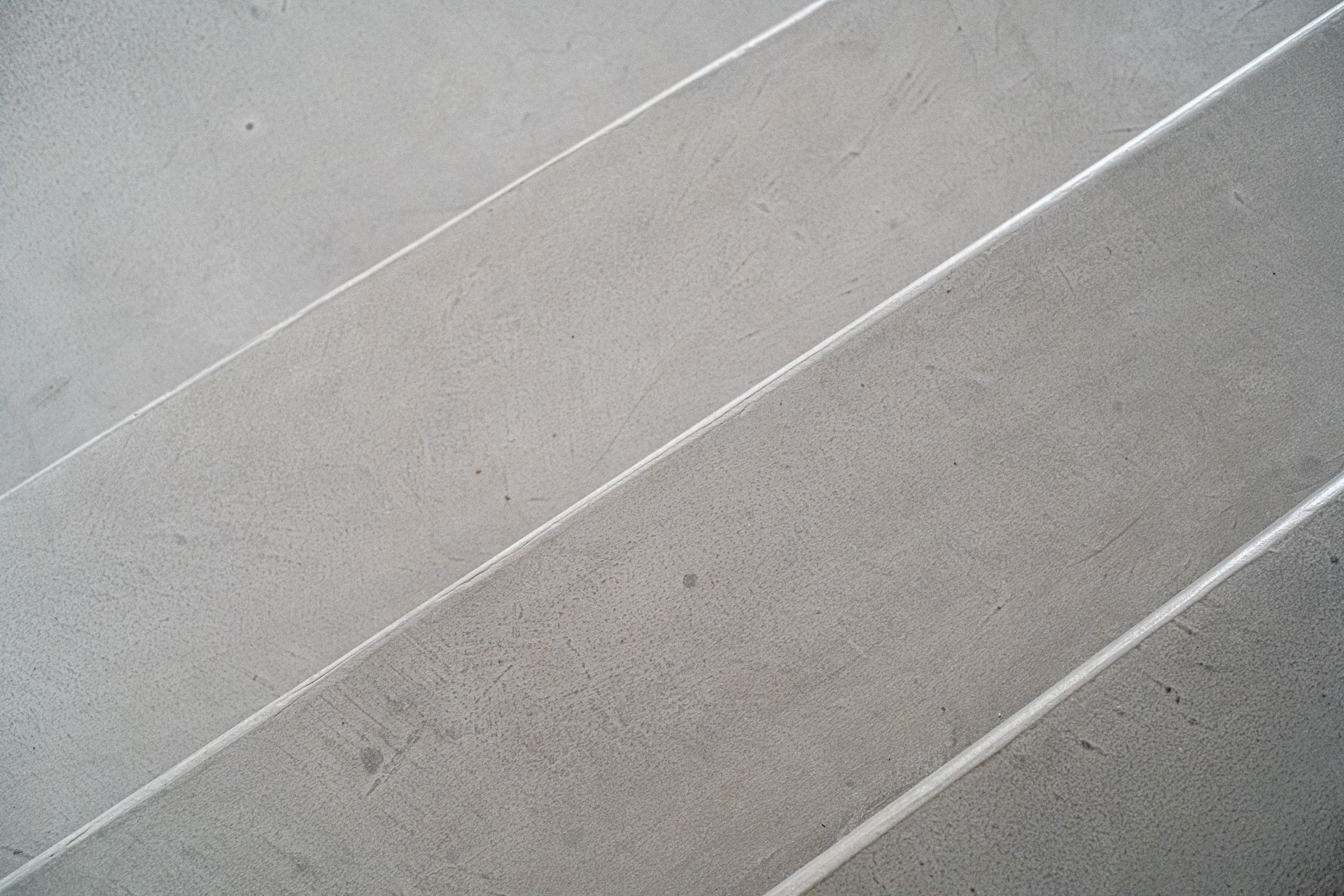
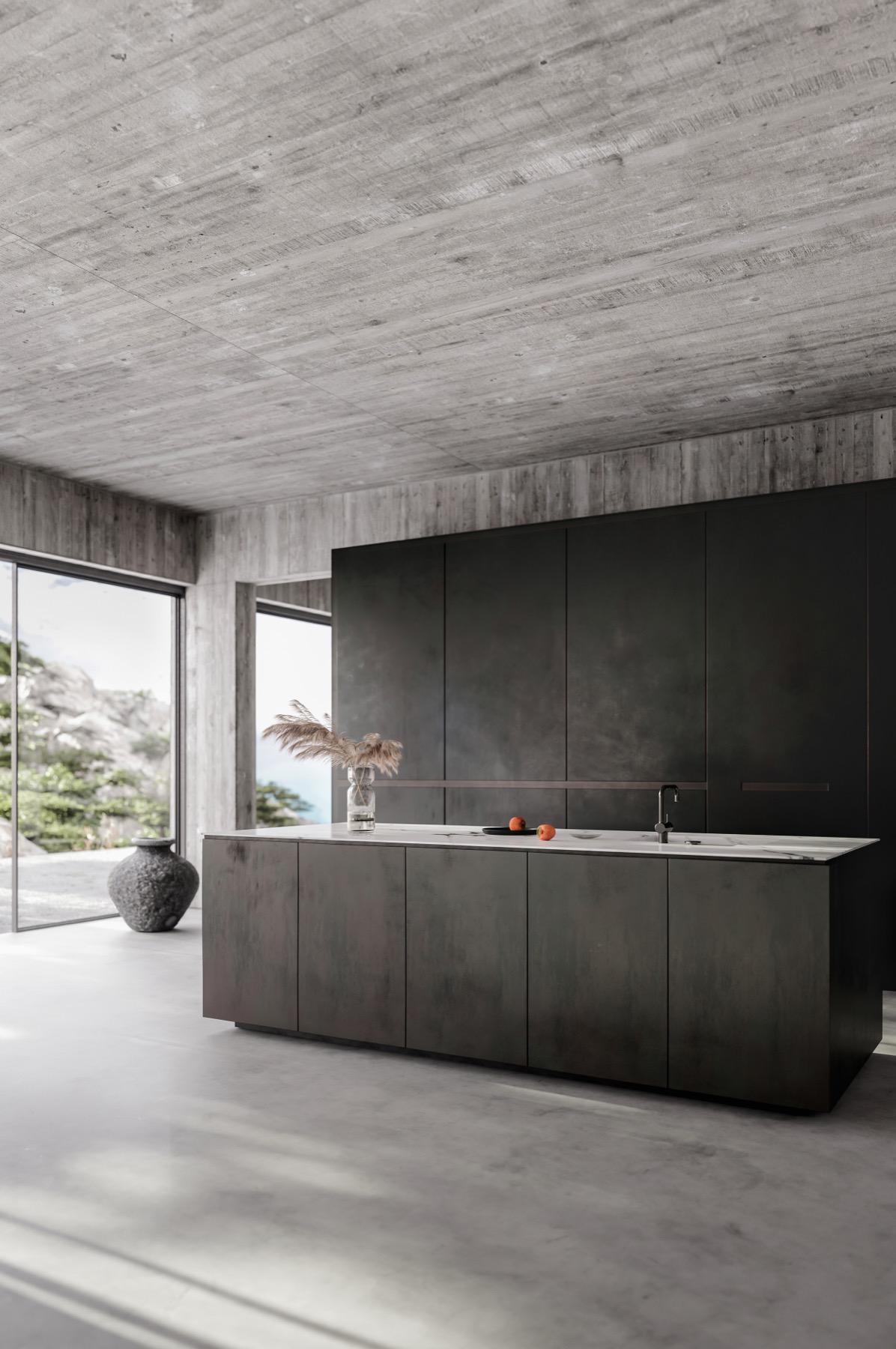
Ultra-thin polymer-modified cement coating that transforms existing surfaces into seamless, contemporary floors. The architect's choice for minimalist interiors with industrial character.
Where Microtopping Excels
Microtopping creates seamless, flowing surfaces that define modern architectural spaces. Its minimal thickness makes it ideal for renovation projects where floor height is critical.
High-End Residential
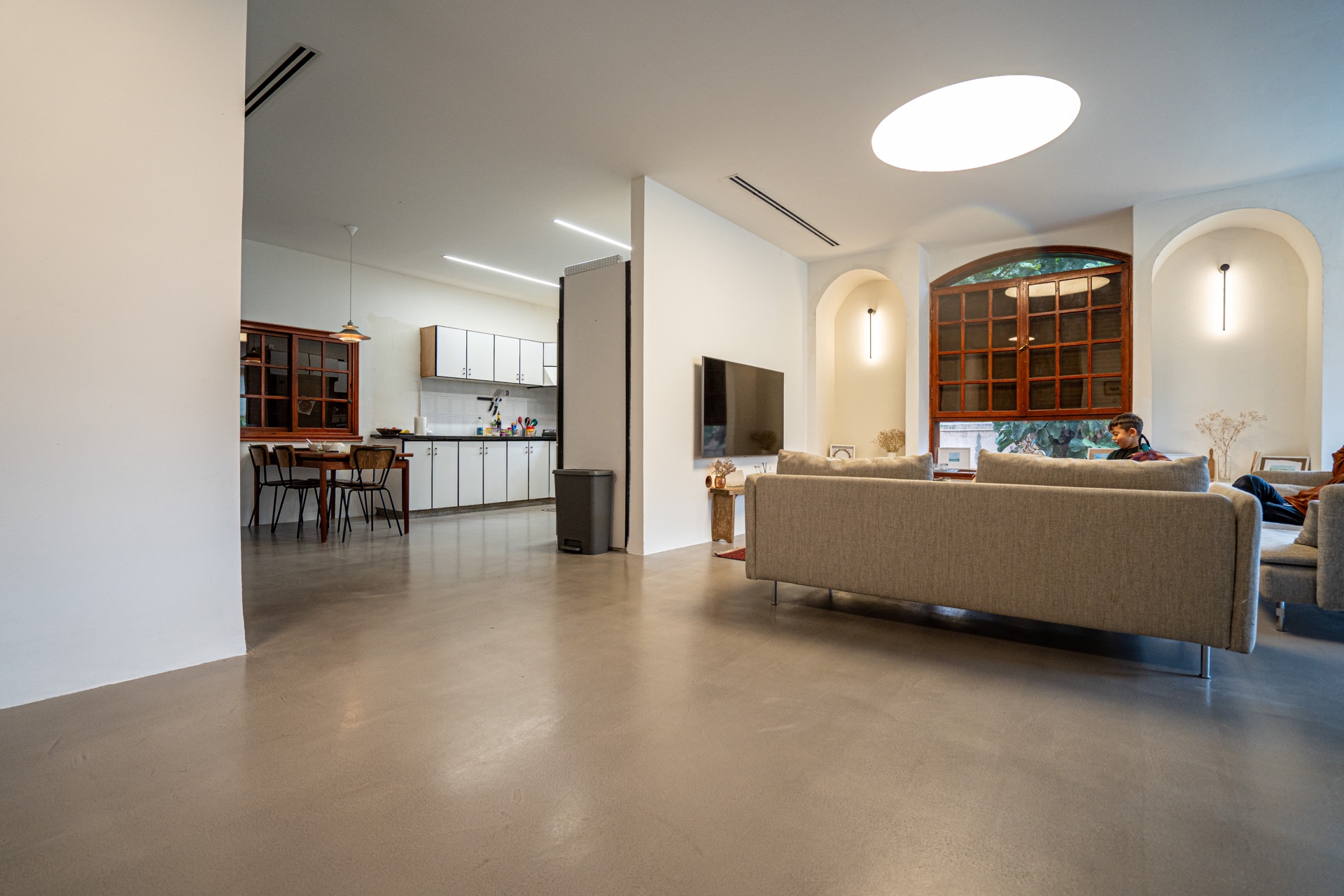
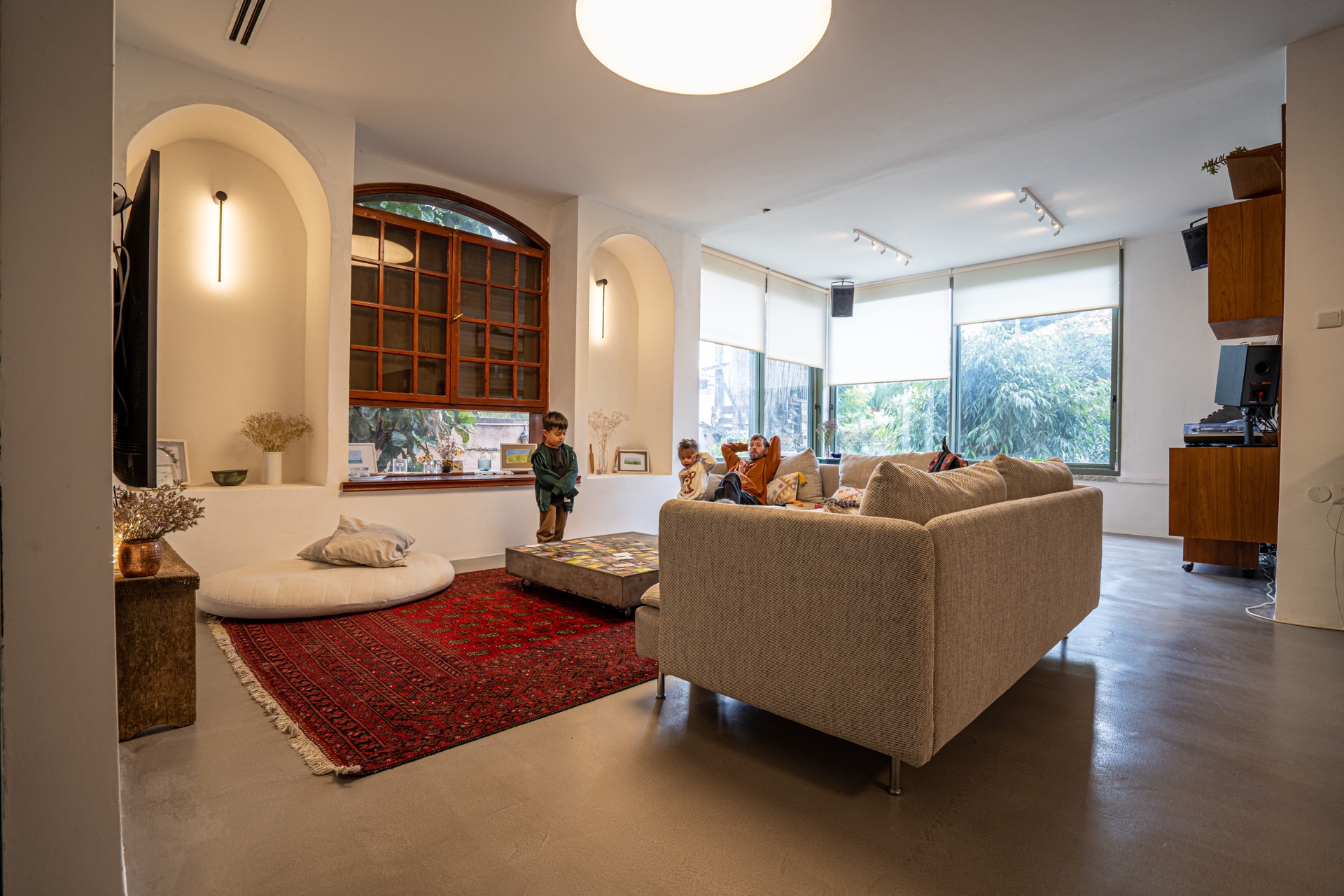
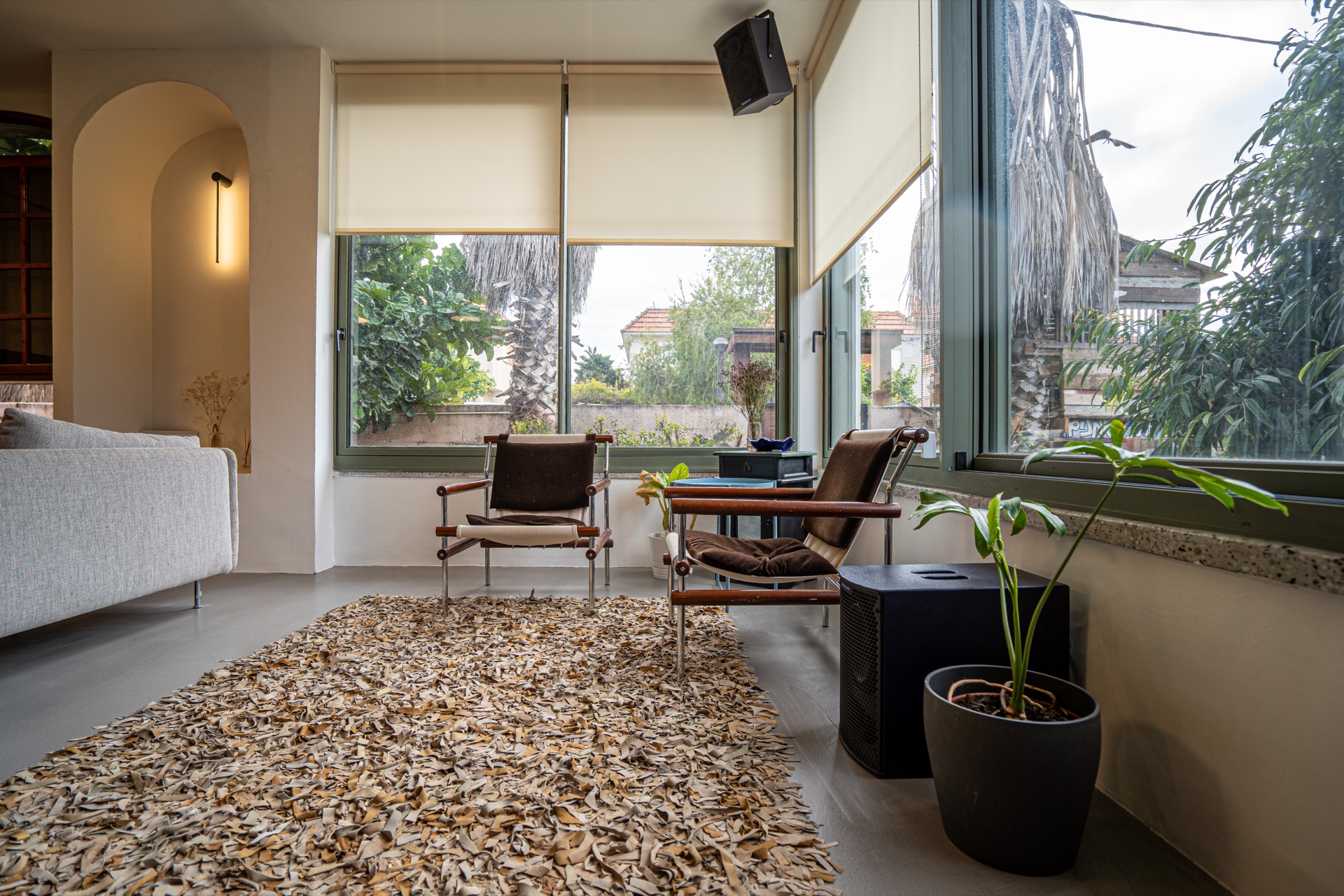
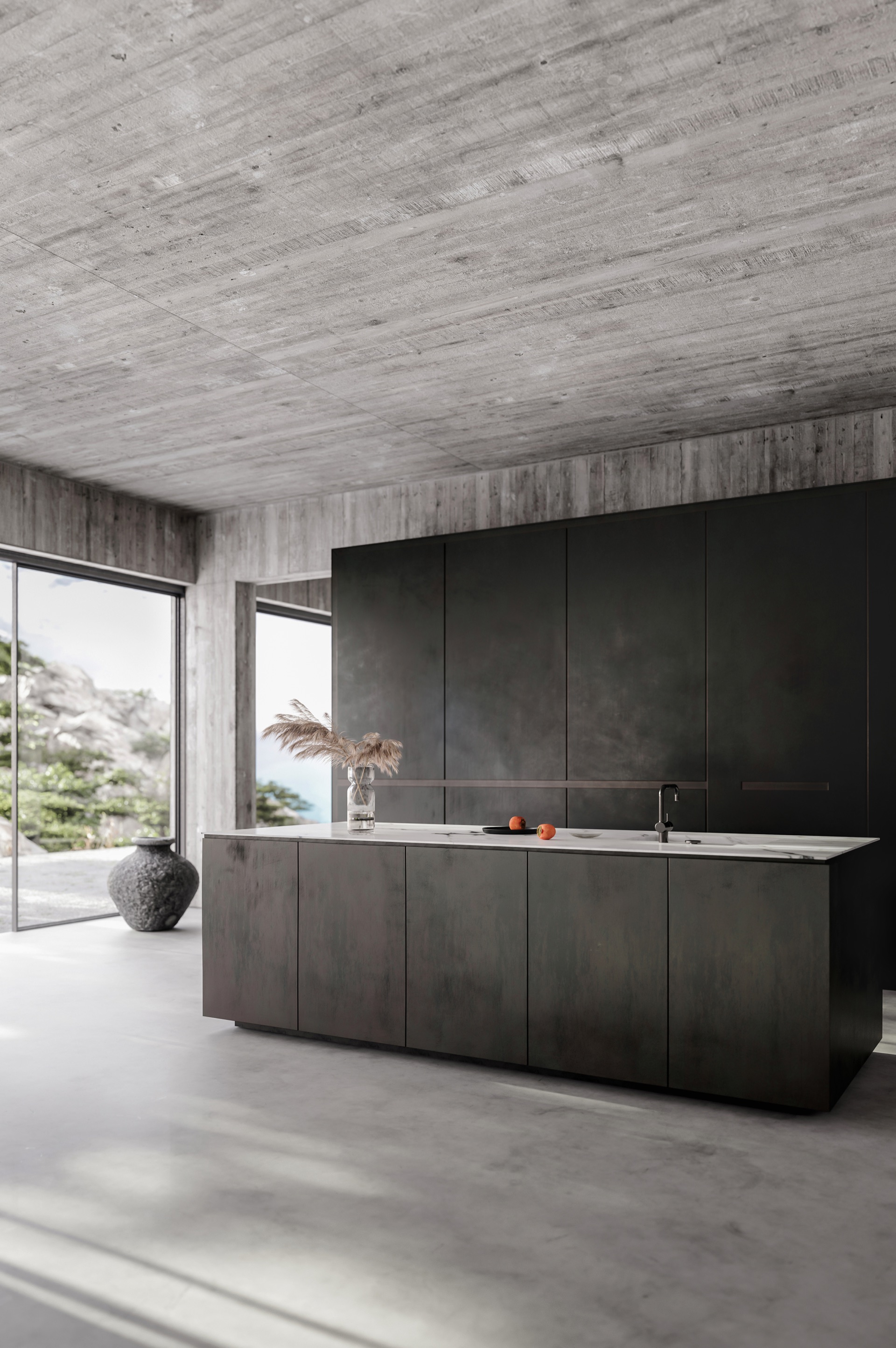
Living areas, kitchens, bathrooms. Continuous surface flow throughout the home. Compatible with underfloor heating.
Retail & Showrooms
Neutral backdrop that lets products shine. Easy maintenance for high-traffic retail environments.
Hospitality
Hotels, restaurants, cafés. Creates sophisticated ambiance with industrial undertones.
Renovation Projects
Overlay existing tiles, concrete, or screeds without demolition. Minimal floor height increase.
Substrate Preparation
Microtopping is thin (2-3mm) so substrate imperfections telegraph through. Surface preparation determines final quality.
- Existing tiles — Can be overlaid if sound. Grout lines filled, surface scuffed for adhesion
- Concrete — Must be flat, free of laitance, cracks filled with flexible compound
- Screeds — Self-leveling compound applied to achieve required flatness (SR1-SR2)
- Bonding primer — System-specific primer ensures adhesion to various substrates
- Crack bridging — Fiberglass mesh embedded at movement joints and over filled cracks
Application Process
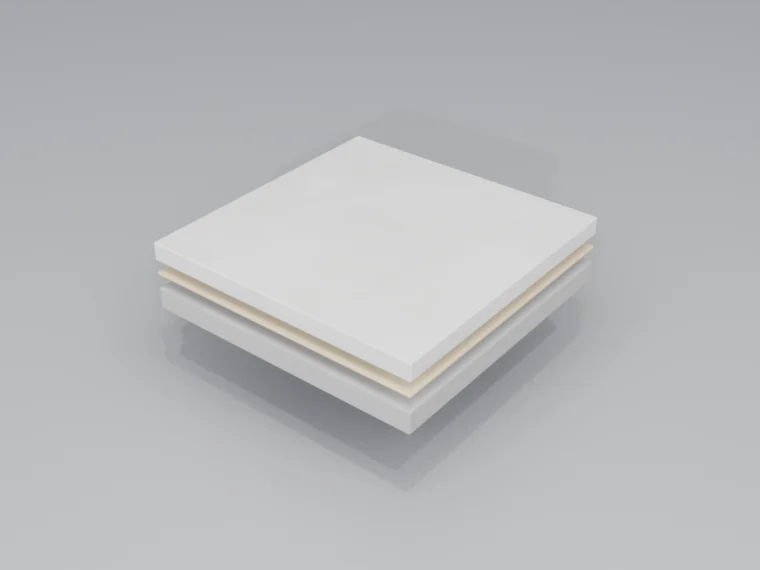
Microtopping is applied in multiple thin layers, each hand-worked to create the desired texture and character.
Base Coat
First layer of polymer-modified cement applied by trowel. Builds foundation, fills minor imperfections. Fiberglass mesh embedded if required.
Finish Coat
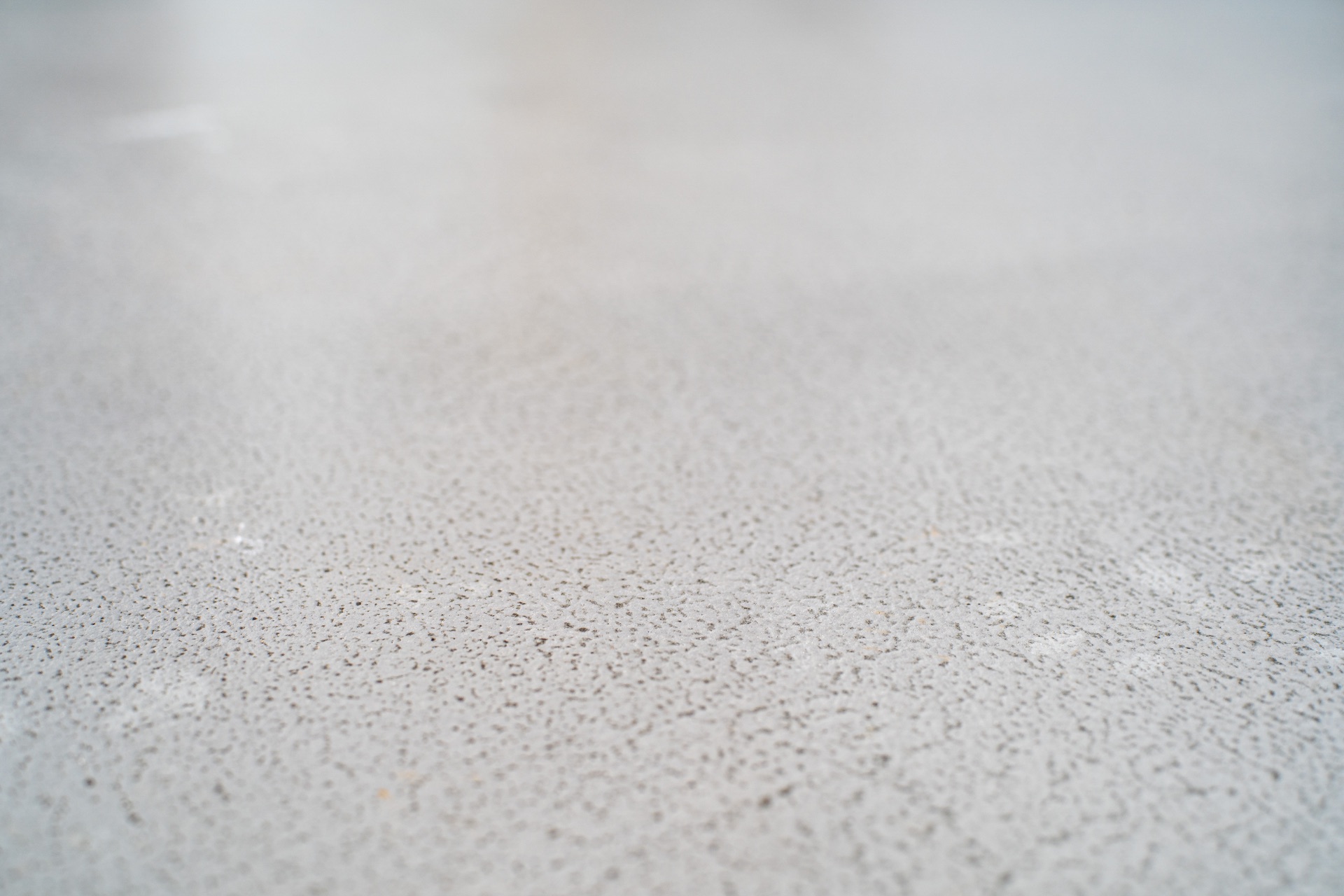
Thin decorative layer applied and worked by hand to create desired texture — from smooth to varied, depending on technique and tools used.
Sealer System
Two-component polyurethane or epoxy sealer provides stain resistance and durability. Multiple sheen levels: matte, satin, or gloss.
Finish Options
Each microtopping floor can be customized to achieve your desired aesthetic:
Natural Cement
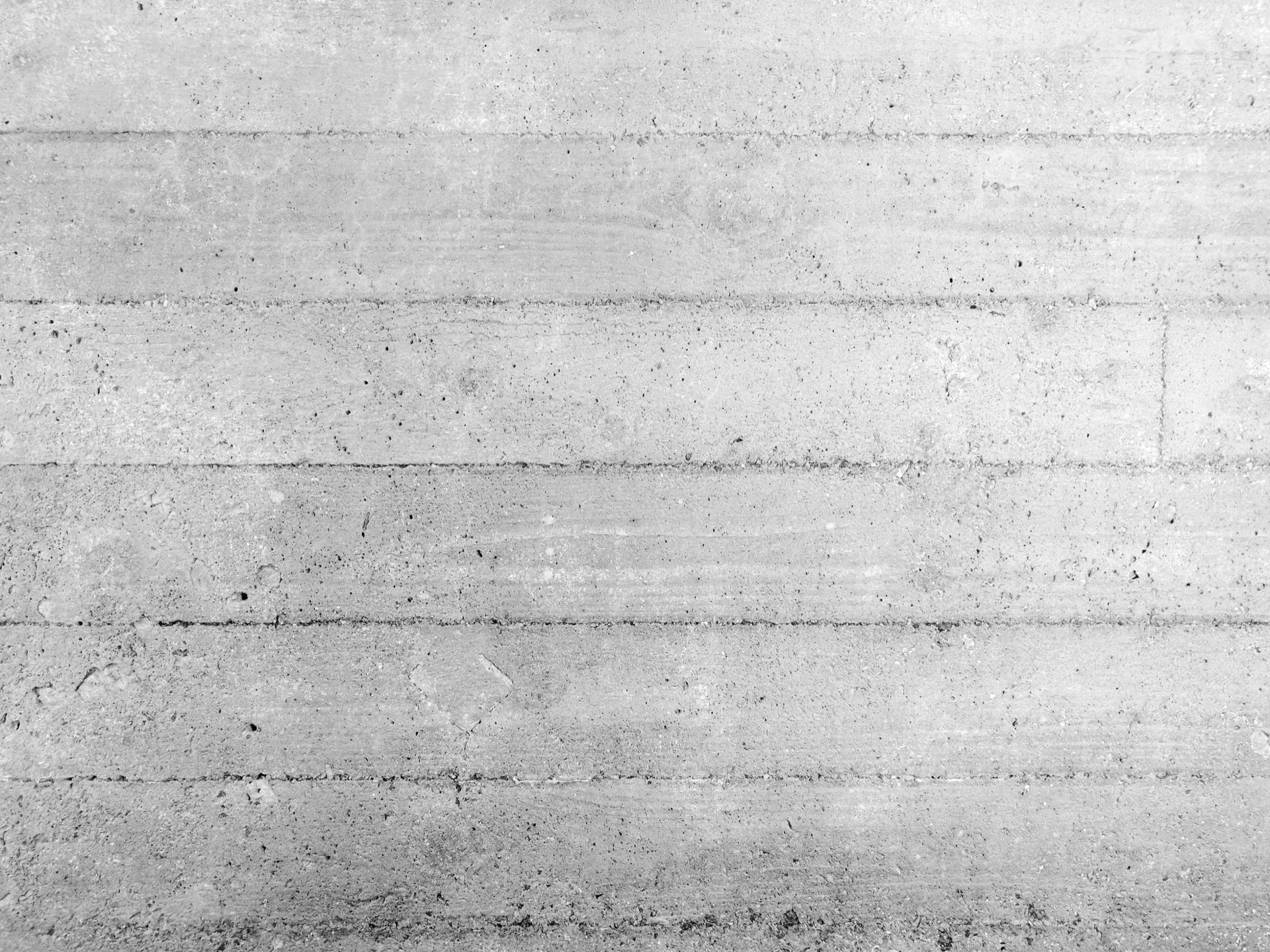
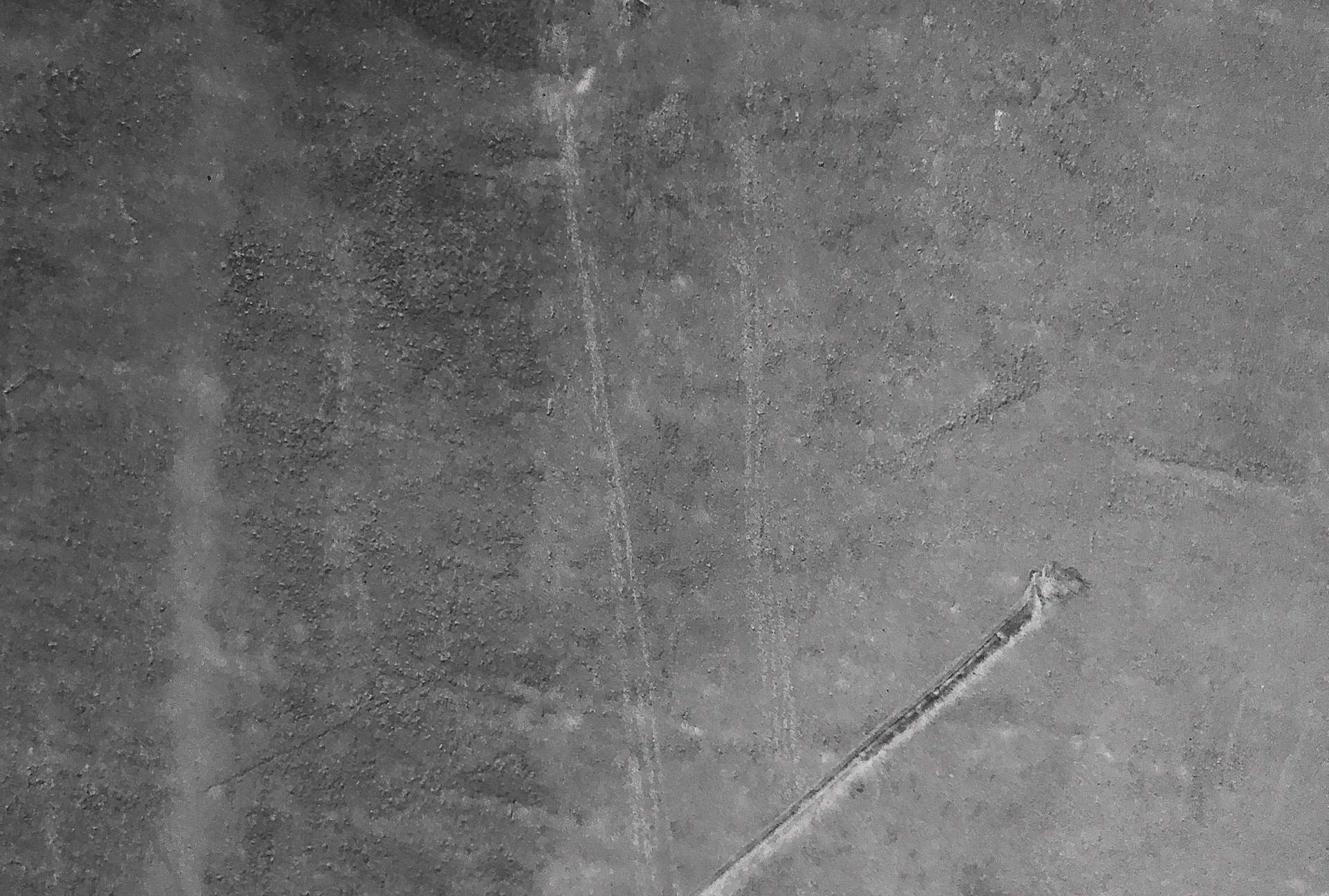
Classic gray tones with subtle variation. Raw, industrial aesthetic.
Tinted
Integral pigments create warm or cool tones — from charcoal to warm taupe.
Cloud Effect
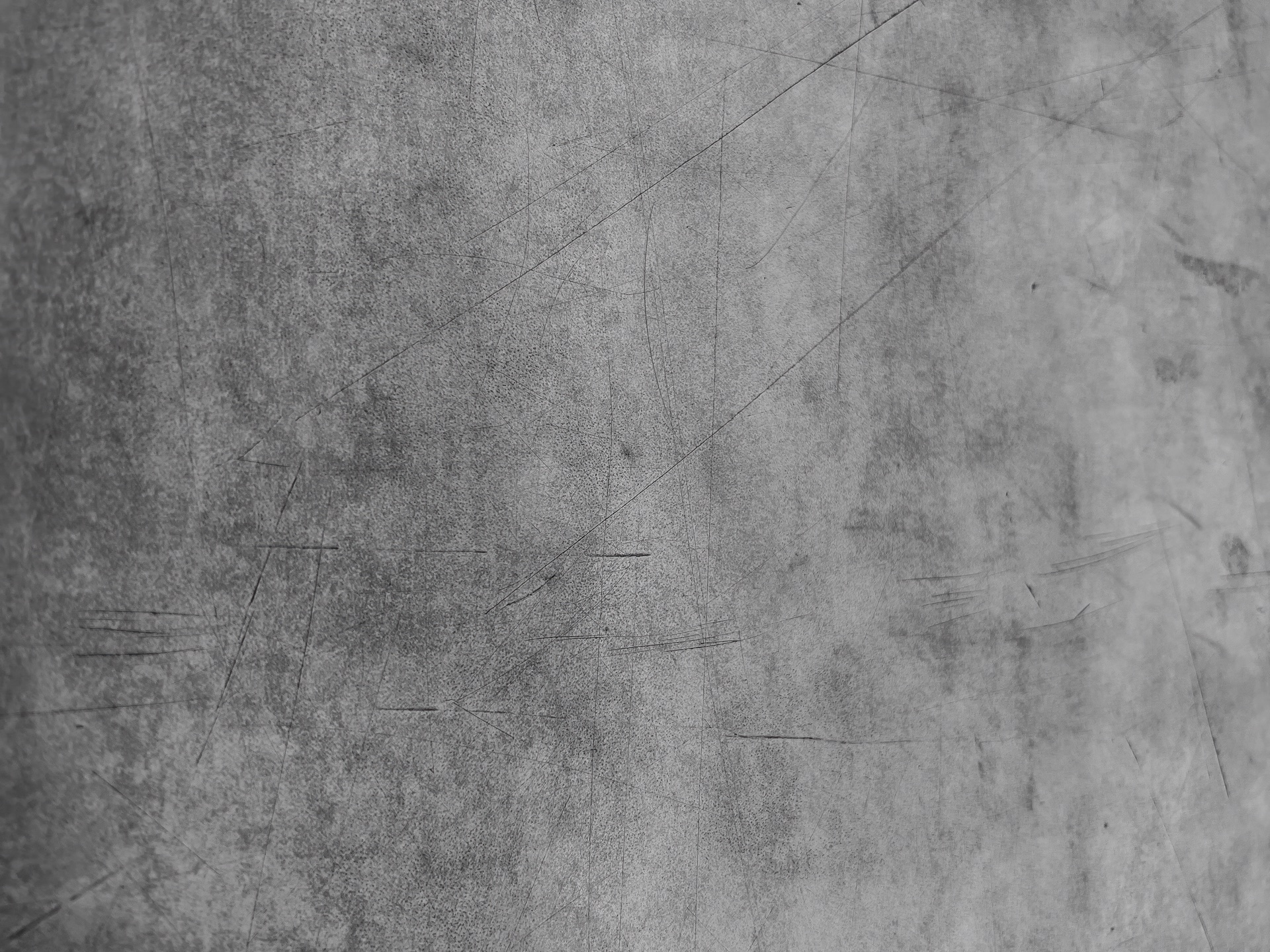
Deliberate trowel marks create movement and depth. Artisanal character.
Uniform
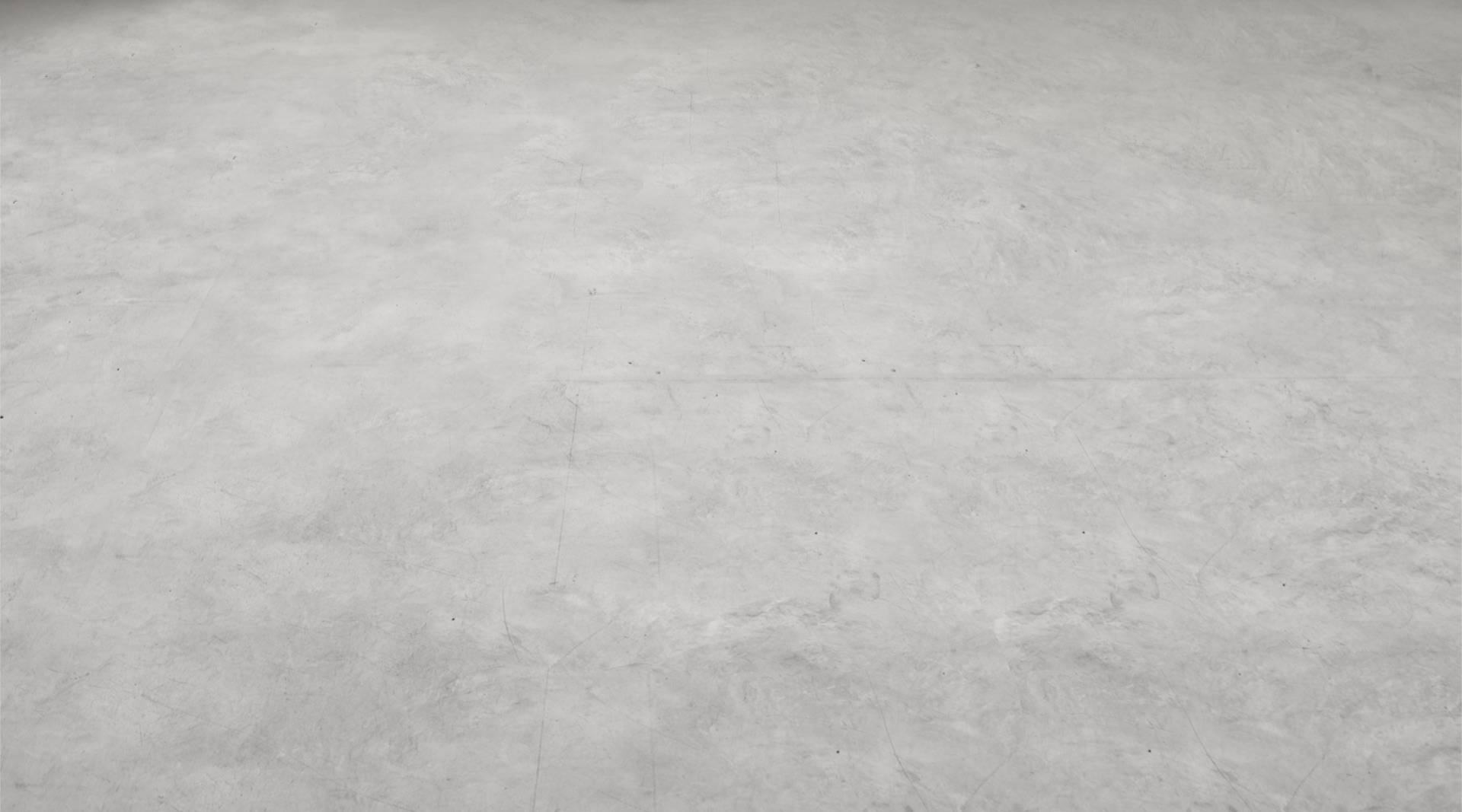
Spray application for more consistent, even appearance. Modern, minimal.
Key Advantages
- Minimal Thickness — Only 2-3mm. No door trimming, no transition issues, no floor height changes.
- Seamless Continuity — No joints, no grout lines. Surface flows continuously room to room.
- Renovation Friendly — Overlay existing floors without demolition. Faster, cleaner, less disruptive.
- Unique Character — Hand-applied artisanal finish. Each floor is one-of-a-kind with natural variation.
- Underfloor Heating — Excellent thermal conductivity. Thinner than tiles for faster heat response.
- Versatile Application — Floors, walls, stairs, countertops — unified material language throughout.
Maintenance Protocol
Properly sealed microtopping is durable and easy to maintain. The sealer does the heavy lifting — protecting the cement surface from stains and wear.
Daily
Sweep or vacuum to remove grit. Damp mop as needed with neutral pH cleaner.
Weekly
Wet mop with manufacturer-recommended cleaner. Avoid acidic or abrasive products.
Annually
Inspect sealer condition. High-traffic areas may need maintenance coat every 2-3 years.
As Needed
Spot repairs possible for localized damage. Full resealing recommended every 5-7 years.