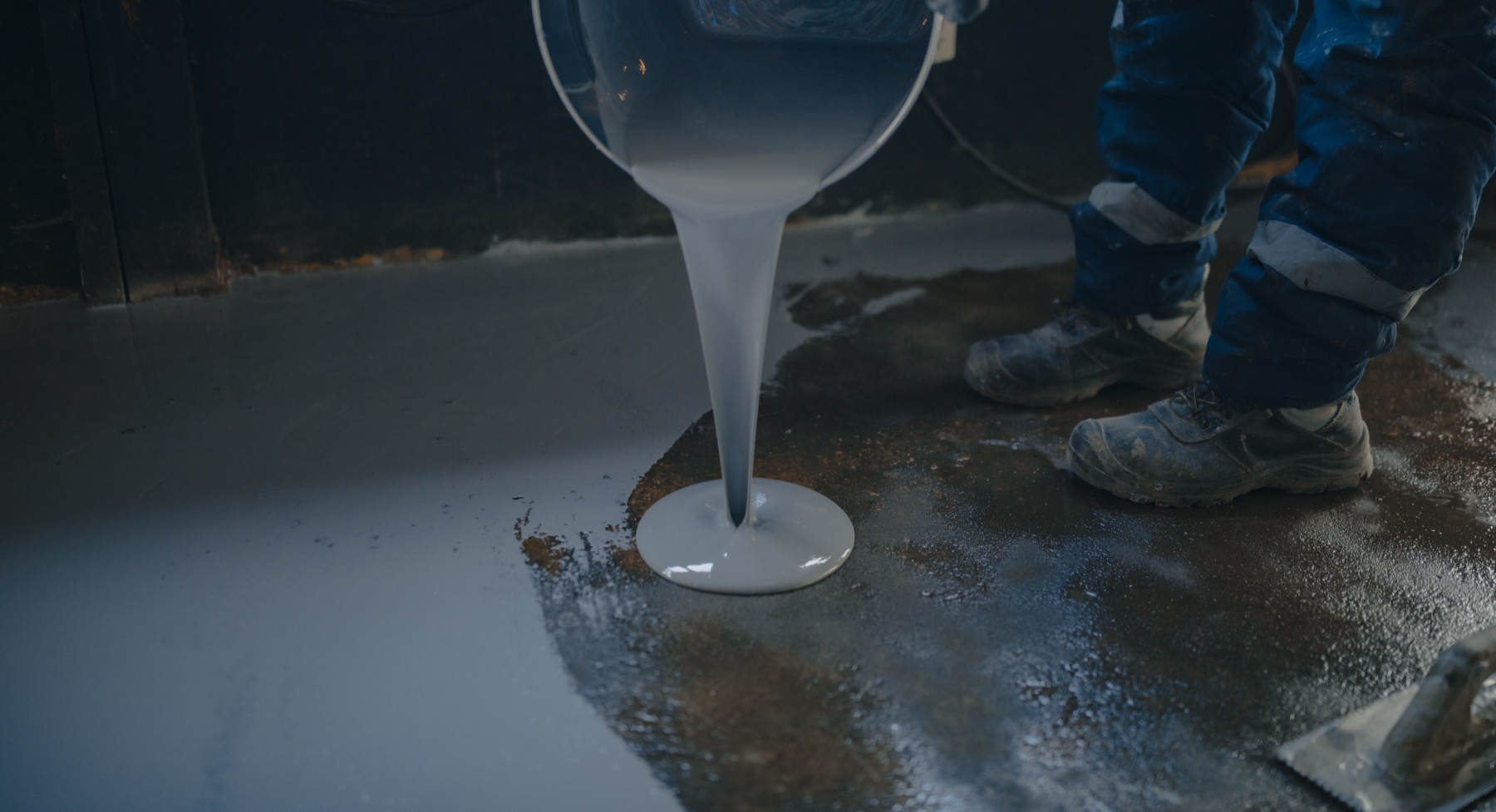
Two-component resin systems engineered for maximum chemical resistance, mechanical durability, and seamless hygiene. The benchmark for industrial and commercial flooring across Israel.
Where Epoxy Performs
Epoxy flooring excels in demanding industrial environments where chemical exposure, heavy traffic, and strict hygiene requirements are the norm. From manufacturing plants to pharmaceutical facilities, epoxy delivers uncompromising performance.
Manufacturing Facilities
Heavy machinery, forklift traffic, oil and coolant exposure. Self-leveling or broadcast systems 3-5mm.
Warehouses & Logistics
High-traffic zones, pallet jack resistance, demarcation lines. Broadcast quartz systems for durability.
Food Processing
Cleanable resin systems with coved skirting options. For hot wash-down or thermal shock, PU-cement is usually the stronger fit.
Pharmaceutical & Cleanrooms
ESD-control options, seamless finish, and chemical-resistant topcoats when the specification requires them.
Substrate Preparation
Epoxy systems bond mechanically and chemically to the substrate. Proper preparation is non-negotiable for long-term performance. Our team ensures every surface is optimally prepared.
- Shot blasting — Creates optimal surface profile (CSP 3-5) and removes laitance
- Diamond grinding — For thinner systems or where shot blasting isn't possible
- Crack repair — Structural cracks filled with flexible epoxy, hairline cracks with penetrating primer
- Moisture testing — Calcium chloride and RH probe testing per ASTM F1869/F2170
- Contamination removal — Oil, grease, curing compounds must be completely removed
System Architecture
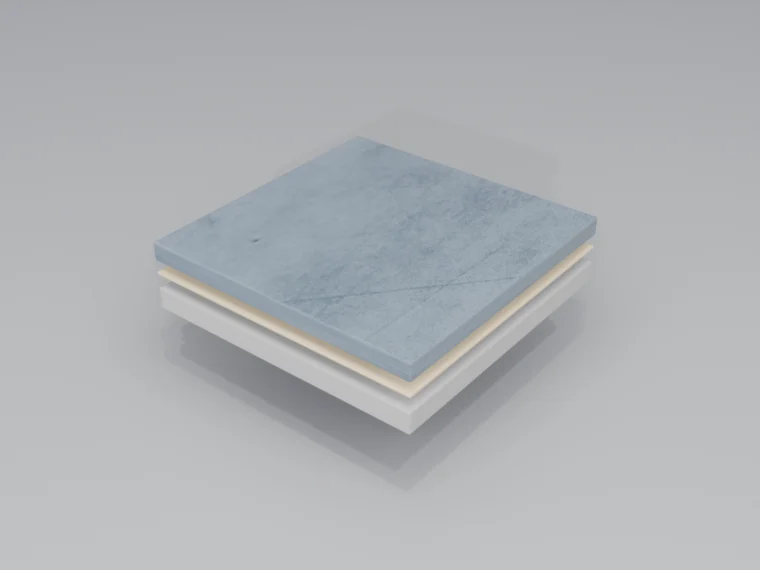
Every epoxy installation follows a precise multi-layer system, each component engineered to work together for maximum performance and longevity.
Primer Coat
Low-viscosity epoxy penetrates substrate pores, consolidates weak surface layers, and provides chemical bond for subsequent coats. Coverage: 0.15-0.25 kg/m².
Body Coat / Broadcast Layer
Self-leveling or troweled epoxy mortar builds thickness. For high-traffic areas, quartz aggregate broadcast into wet resin creates mechanical interlock and wear resistance.
Seal Coat / Topcoat
Clear or pigmented topcoat encapsulates aggregate, provides UV stability (aliphatic systems), and determines final gloss level and chemical resistance.
System Variants
We offer multiple epoxy system configurations to match your specific requirements:
Self-Leveling
Smooth, seamless finish. 2-3mm thickness. Ideal for light-medium traffic, clean environments.
Quartz Broadcast
Colored quartz aggregate for texture and durability. 3-5mm. Heavy traffic, decorative options.
Mortar System
High-build troweled system. 6-12mm. Extreme impact and thermal shock resistance.
ESD/Conductive
Electrostatic discharge control. Electronics manufacturing, data centers, operating rooms.
Key Advantages
- Chemical Resistance — Can be specified for oils, fuels, cleaning chemicals and selected acids/alkalis after chemical exposure review.
- Seamless & Hygienic — No joints or grout lines where bacteria can harbor. Easy to clean and sanitize.
- Mechanical Durability — High compressive strength (80+ MPa), impact resistance, and abrasion resistance.
- Design Flexibility — Unlimited color options, metallic effects, flake systems, logos, and demarcation.
- Fast Return to Service — Light foot traffic in 24 hours, full mechanical load in 7 days.
- Service Life — Depends on substrate preparation, traffic, chemicals, cleaning regime and maintenance.
Good fit
Warehouses, garages, workshops, showrooms and dry production areas where the concrete can be prepared properly.
Not the first choice
Constant steam cleaning, thermal shock, saturated slabs, moving cracks or exterior UV exposure without a suitable topcoat.
Inspect first
Moisture, oil contamination, existing coating adhesion, crack movement, forklift load, required texture and shutdown window.
Maintenance Protocol
Epoxy floors are low-maintenance but not no-maintenance. A simple cleaning protocol extends service life significantly:
Daily
Dust mop or auto-scrubber to remove abrasive particles. Spot clean spills immediately.
Weekly
Wet mop with neutral pH cleaner (diluted). Avoid acidic or alkaline cleaners.
Quarterly
Deep clean with auto-scrubber. Inspect for damage, especially at joints and edges.
Annually
Professional inspection. Recoat high-wear areas as needed to maintain protection.


