Industrial floor coatings don't fail suddenly — they show warning signs long before catastrophic failure. Recognizing these signs early allows you to recoat proactively, extending floor life and avoiding costly complete replacement. Here's how to know when it's time.
Visual Warning Signs
1. Wear Through Traffic Patterns
The most obvious indicator. Look for:
- Color changes in high-traffic areas (coating becoming lighter or darker)
- Visible aggregate or substrate showing through
- Distinct paths where forklifts, pallet jacks, or foot traffic concentrate
- Differences between protected and exposed areas
Action threshold: When wear patterns show but haven't penetrated the full coating thickness, recoating is ideal.
2. Loss of Gloss
Surface dulling indicates the topcoat is wearing:
- Compare high-traffic areas to protected areas (under equipment, along walls)
- Noticeable difference in light reflection
- Surface feels rougher to the touch
Note: Loss of gloss alone doesn't require immediate action, but it signals accelerating wear.
3. Scratching and Abrasion
Surface damage from equipment, tools, or abrasive materials:
- Circular patterns from turning forklifts
- Linear scratches from dragged equipment
- Pitting from dropped objects
Concern level: Surface scratches are cosmetic. Deep scratches exposing substrate require attention.
4. Chemical Staining
Indicates chemical resistance may be compromised:
- Discoloration that won't clean
- Soft or tacky areas after chemical exposure
- Etching or surface roughening
5. Delamination or Peeling
More serious issues requiring prompt action:
- Coating lifting from substrate at edges or in sheets
- Blistering (moisture-related — see our moisture testing article)
- Intercoat separation in multi-layer systems
Warning: Delamination typically indicates adhesion failure. Simple recoating may not be sufficient — the cause must be addressed.
Testing Methods
Adhesion Testing
Pull-off testing (ASTM D4541) measures bond strength:
- Original specification: typically 1.5-2.5 MPa
- Minimum for recoating: 1.0 MPa
- Below 1.0 MPa: Consider removal and complete resurfacing
Thickness Measurement
Ultrasonic or magnetic gauges reveal remaining coating:
- Measure in multiple locations (traffic vs. protected)
- Calculate wear rate based on original thickness
- Project remaining service life
Water Drop Test
Simple indicator of surface condition:
- Place water drops across floor surface
- Observe contact angle — flat spreading indicates worn surface
- Compare to unworn areas
Decision Framework: Recoat vs. Replace
Recoating is Appropriate When:
- Wear is cosmetic or limited to top layer
- Adhesion test shows adequate bond strength (>1.0 MPa)
- No widespread delamination or blistering
- Substrate is sound with no structural issues
- Original system is compatible with recoat product
Complete Replacement is Needed When:
- Adhesion has failed widely (pull-off <1.0 MPa)
- Moisture issues are unresolved
- Coating is worn through to substrate in large areas
- Chemical attack has damaged full thickness
- Substrate requires repair or modification
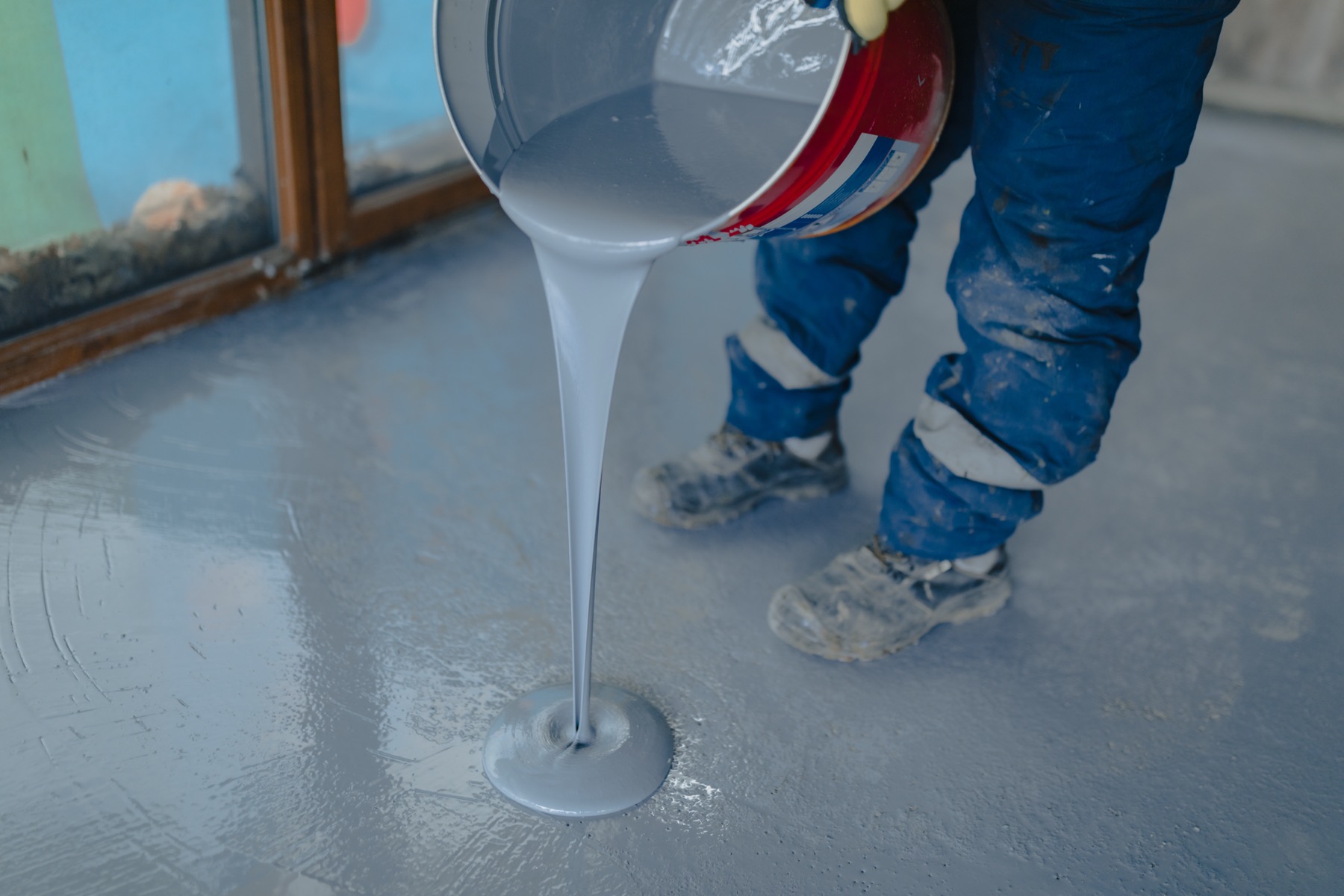
Recoating Process
Surface Preparation
Critical for adhesion of the new coat:
- Thorough cleaning to remove all contamination
- Mechanical abrasion (diamond grinding or shot blasting)
- Surface profile creation for mechanical bond
- Repair of any damage or defects
Material Selection
- Must be compatible with existing coating
- Typically same product family or manufacturer-approved
- Consider upgrading to higher-performance topcoat
- Primer may be required depending on surface condition
Application
- Follow manufacturer specifications exactly
- Environmental conditions must be within tolerance
- Typical recoat: 150-300 microns (single coat)
- Heavy-duty recoat: 300-500+ microns (multi-coat)
Proactive Maintenance Schedule
Suggested inspection intervals based on environment:
| Environment | Inspection | Typical Recoat Interval |
|---|---|---|
| Heavy industrial | Quarterly | 3-5 years |
| Manufacturing | Semi-annual | 5-7 years |
| Warehouse | Annual | 7-10 years |
| Commercial | Annual | 10-15 years |
Cost Considerations
Recoating typically costs 30-50% of complete replacement:
- Recoat: $15-40/m² depending on system
- Full replacement: $50-120/m²
- Downtime: Recoat requires 1-2 days vs. 5-7+ for replacement
Timely recoating extends total system life by 50-100%, making it highly cost-effective.
Schedule a Floor Assessment
Our team can evaluate your floor condition and recommend the most cost-effective maintenance strategy.
Request Assessment