A 40-room boutique hotel in Tel Aviv ran a complete floor renovation across all guest-facing and back-of-house zones over a six-week window. The project specified four different floor systems matched to zone demands: microcement in the lobby and feature corridors, safety vinyl in the bathrooms, polished concrete in the bar and back-of-house, and porcelain tile in the wet kitchen zone. This case study walks the brief, the zone-by-zone spec decisions, the timeline, the cost framework, and the lessons learned — the format we recommend for documenting any multi-system floor project.
This is a representative case study illustrating the floor specification format. Project details are anonymised and figures rounded for clarity. Real project documentation is shared under NDA; contact us for verified IL hospitality references.
The brief
The owner wanted a "modern Mediterranean luxury" aesthetic with full-floor continuity wherever possible — no thresholds breaking up sightlines. Operational constraints: the renovation had to happen during a low-season six-week window with no scope to extend. Sustainability credentials mattered for the boutique-hospitality narrative but were not required by certification. Budget tolerated premium materials in guest-facing zones; back-of-house was cost-led.
Zone-by-zone specification
1. Lobby + reception (180 m²)
Guest impression · Heritage aesthetic · Wet entrance weather
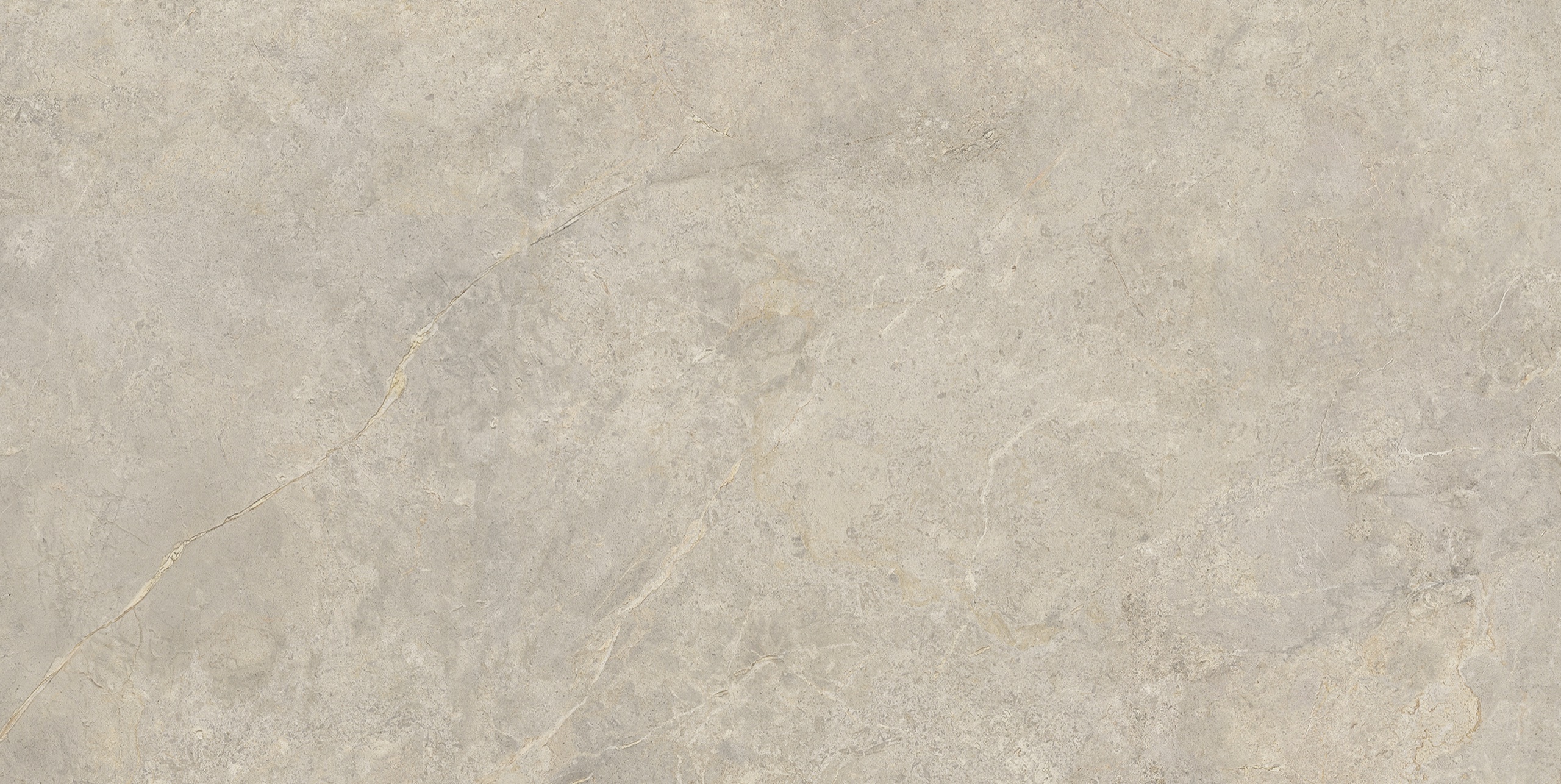
Specified: Microcement in Topciment Sttandard, mineral pigment "Terra Roja" to evoke Tel Aviv coastal terracotta. Tanked at the entrance threshold; PU sealer at 2-coat with 7-day cure window. Marmorino-finished wall up to 1.5m height by trained applicator from the Meoded network — paired aesthetically with the floor's mineral tone.
Why this spec: Seamless mineral aesthetic across floor + wall delivered the "modern Mediterranean" brief. Microcement's design vocabulary suits boutique hospitality where guest impression dominates. The 7-day PU cure was schedulable within the renovation window.
2. Guest room bathrooms (40 × 12 m² = 480 m²)
Wet · Slip-fall liability · Daily cleaning · Visual quality
Specified: Mortex by Beal International in standard pigment, mass-waterproof property selected specifically to simplify the renovation scope — no separate tanking layer in 38 of 40 bathrooms (only the 2 ground-floor units had tanking added due to substrate moisture readings).
Why this spec: Mortex's mass-waterproof property simplified install across 40 small bathrooms within the schedule. Visual quality at premium tier. Maintenance schedule (PU sealer renewal every 2 years) was negotiated into the operational handbook before commitment.
3. Bar lounge + back-of-house circulation (300 m²)
Modern aesthetic · Heavy daily traffic · Spill resistance
Specified: Polished concrete with sodium silicate densifier (cost-led decision — see densifier comparison), Class B salt-and-pepper aggregate exposure, polished to 800 grit (semi-gloss). Topical penetrating siloxane sealer for spill resistance from spilled cocktails and wine.
Why this spec: The existing concrete slab was sound and large area justified polished concrete economics. The modern aesthetic suited the bar lounge brief. Cost per m² ~30% of premium microcement at this zone size made the math work.
4. Wet kitchen + dishwash (180 m²)
Hot wash-down · HACCP · Slip-fall extreme
Specified: Sikafloor PurCem HM-20 at 6 mm, broadcast for R12 slip class, integrated cove fillet at all wall junctions for HACCP cleanability. Channel was via Gilar Ltd; applicator was a Gilar-trained team with documented PurCem references in the last 18 months.
Why this spec: The kitchen's daily 95°C hot wash-down ruled out epoxy SL. PU-cement's thermal range plus broadcast slip class met both HACCP audit demand and slip-fall liability defence. Sika channel reliability was decisive for the 6-week window.
5. Corridors (60 m²)
Foot traffic · Acoustic · Seamless to lobby
Specified: Microcement in the same Topciment Sttandard "Terra Roja" pigment as the lobby — continuous visual treatment from lobby through guest-floor corridors.
Why this spec: Visual continuity from the lobby. The corridors carry foot traffic but no wet exposure, so the spec at this zone could use the same SKU without zone-specific upgrade.
Project timeline (6 weeks)
| Week | Activity | Zone |
|---|---|---|
| 1 | Substrate audit + moisture verification + tanking install (kitchen, ground-floor bathrooms) | All zones |
| 2 | PU-cement install + sodium silicate densifier application | Kitchen + bar + back-of-house |
| 3 | Microcement base coat (lobby + corridors) | Lobby + corridors |
| 3-4 | Mortex install across 40 bathrooms (rolling — 5-6 bathrooms per day) | Bathrooms |
| 4 | Microcement finish coat (lobby + corridors) | Lobby + corridors |
| 4-5 | Polishing sequence to 800 grit (bar + back-of-house) | Bar lounge |
| 5 | PU sealer first coat across all microcement zones; Mortex sealer in bathrooms | Lobby + corridors + bathrooms |
| 5-6 | PU sealer cure window (7 days minimum before water exposure) | All wet zones |
| 6 | Owner walk-through; punch list; handover documentation | All zones |
Cost framework
Total floor scope at ~₪780,000 [verify] across 1,200 m² delivered an average cost of ~₪650/m². The per-zone breakdown reflected the spec premium distribution:
- Lobby + reception (180 m²): Microcement at ~₪750/m² = ₪135,000
- 40 guest bathrooms (480 m²): Mortex at ~₪850/m² = ₪408,000
- Bar + back-of-house (300 m²): Polished concrete at ~₪300/m² = ₪90,000
- Wet kitchen (180 m²): Sikafloor PurCem at ~₪600/m² = ₪108,000
- Corridors (60 m²): Microcement at ~₪750/m² = ₪45,000
The bathroom zone consumed the largest share — typical for hospitality renovation where guest-bathroom count drives spec-area distribution.
Lessons learned (the value of the case study)
The substrate audit identified elevated RH in 2 of the 40 bathrooms (ground floor over a basement parking area). The original Mortex-without-tanking spec was upgraded to Mortex-with-tanking in those 2 rooms only, adding ~₪3,000 to the line. Without the substrate audit this would have produced delamination within 2 years.
40 bathrooms × ~1.5 days per bathroom = 60 applicator-days. Even with 4 applicators working in parallel, this consumed weeks 3-4 of the timeline. The applicator pool was identified upfront — a project planning win that prevented the install team becoming the schedule bottleneck.
Sodium silicate was specified for the bar + back-of-house in part because of the cost differential against lithium silicate. The visible finish difference at this commercial back-of-house zone was deemed acceptable. For the lobby (guest-impression zone), lithium silicate would have been the better spec — but microcement was the right system there, not polished concrete.
Owner pressure to release bathrooms early was anticipated and addressed in the contract — bathrooms unavailable for guests until day 7 after the second PU sealer coat. Verbal confirmation alone would not have held; the written contract clause was load-bearing.
Both zones used the same Topciment Sttandard SKU in "Terra Roja" pigment but the order had to be from a single batch to ensure pigment-tone consistency. Multi-batch microcement orders produce visible tone variation at panel boundaries. Single-batch ordering was specified in the procurement document.
What the owner does next
The handover documentation file includes substrate moisture readings per zone, batch numbers for every product, application date logs, ambient conditions during cure, and the sealer renewal schedule. The owner's operational team receives the maintenance manual specifying: PU sealer renewal in microcement bathrooms every 2 years; polished concrete re-polishing in 7-10 years; PurCem kitchen floor expected service life 15+ years without intervention. Sealer renewal budget set aside in the operating reserve.
Why this format works
A case study like this serves multiple buyer-journey personas:
- Architects + interior designers see the multi-system spec process and the trade-offs at zone level.
- Hospitality owners + asset managers see realistic project window + cost framework + maintenance schedule.
- Contractors see what well-documented projects look like — the substrate audit, the applicator scheduling, the handover documentation.
- Engineers + safety/compliance reviewers see the substrate moisture verification, HACCP coving in the kitchen, slip-class spec.
Real project documentation is shared under NDA. Contact us for verified IL hospitality references appropriate to your project.
Related: Commercial kitchen floor spec · Microcement wet rooms spec sequence · Installer evaluation guide · TDS reading guide.
Sources
- Internal project documentation (anonymised for case study format).
- EN 13813 + ASTM F2170 — substrate moisture standards referenced.
- Sikafloor PurCem HM-20 TDS — kitchen zone spec basis.
- Topciment Sttandard + Beal Mortex + Prosoco Consolideck Na TDS — finish zone spec basis.